
Vaping and Pregnancy: The “Safer” Misconception
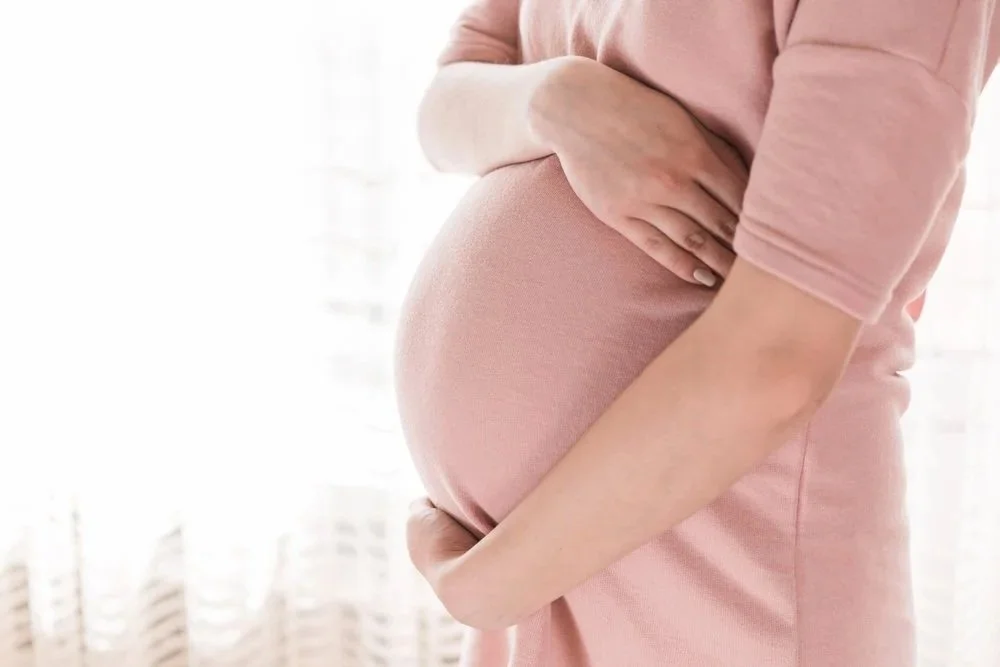
Pregnancy can bring up many new questions – not just for the person who is expecting, but also for partners, families, and anyone offering support. For some, vaping or other substance use is already part of daily life, and wondering how this might affect the health of the pregnancy is understandable. No matter where you’re starting from, having clear, compassionate information can help you and those you care about make choices that feel right for you and your growing family.
Vaping is often thought to be a “safer” alternative to smoking, and many people turn to it to cope with stress, quit cigarettes, or manage daily challenges. But during pregnancy, vaping still carries potential risks that aren’t always discussed openly. This blog offers friendly, judgment-free information about vaping during pregnancy. It highlights resources available right here in Sacramento County for anyone seeking support – whether your goal is to learn more, cut back, or quit altogether.
Vaping and Pregnancy
Vaping involves inhaling an aerosol created by heating a liquid that may contain nicotine, flavorings, and other chemicals. These products are advertised as cleaner or less harmful than cigarettes. But because vaping is relatively new, we don’t yet fully know the long-term effects. What we do know is that during pregnancy, everything you eat, drink, or inhale can pass through the placenta to the developing baby. This includes the aerosol from vapes, containing nicotine and chemicals. This means the safest path is to avoid vaping altogether during pregnancy.
Risks for Mother and Baby
Research shows that vaping during pregnancy can expose both mother and baby to chemicals, including nicotine, which is both harmful and addictive. During pregnancy, nicotine exposure is associated with lower birth weight, pre-term birth, impaired lung development, and even later-life developmental and behavioral issues for the child.
Impacted brain and lung development: The baby’s brain and lungs develop rapidly during pregnancy. Nicotine and other harmful substances in vape aerosol can alter this development.
Increased risk of preterm birth and low birth weight: Maternal vaping is associated with increased risk of being born small for gestational age, low birthweight, and pre-term delivery, compared with non-smokers.
Exposure to heavy metals, ultrafine particles, and toxins: Even “nicotine-free” vape liquids are not necessarily safe. Flavorings, solvents, metals, and ultrafine particles have been found to reach the fetus.
Increased chance of miscarriage and other pregnancy complications: While data are still emerging, some research suggests an increased risk of miscarriage or fetal death associated with vaping in pregnancy.
This information isn’t meant to shame anyone. Habits around vaping and nicotine develop for many reasons – stress, trauma, coping, cravings, or simply routine – and pregnancy doesn’t erase these challenges. Partners and families may also feel unsure how to support someone they love.
Why It Matters in Sacramento County

Like many regions in California, Sacramento County continues to address challenges related to vaping, youth vaping, and nicotine dependence. While local data is still emerging around vaping specifically in pregnancy, county-wide maternal and infant health indicators show that reducing nicotine exposure can help lower the risk of preterm birth and improve infant health outcomes.
Organizations throughout Sacramento are working to reduce the harms of both smoking and vaping through education, prevention, and free cessation support. When individuals and families learn more about vaping and pregnancy, it supports healthier outcomes not just for one family, but for the entire community.
You’re Not Alone: What to Do If You’re Pregnant and Vaping (or Thinking of It)
Sacramento County offers several resources to help pregnant people – and their families – navigate vaping or nicotine use in a supportive, non-shaming environment.
Here are steps local expectant parents in Sacramento County can take:
Talk with your healthcare provider. Let your OB/GYN, midwife, or prenatal care provider know if you vape or are thinking about it. Federal guidance from the American College of Obstetricians and Gynecologists (ACOG) recommends providers ask about “all types of tobacco or nicotine use, including e-cigarettes or vaping products.”

Try to quit or reduce. The safest choice is to stop completely, but reduction is also a positive step. Even if you switch from smoking cigarettes to vaping, you are still exposing the baby to nicotine and other potentially harmful substances.
Seek support. Sacramento County has many resources and supports in place to help families with both substance use and mental health:
The Sacramento County Substance Use Prevention & Treatment (SUPT) offers resources on vaping and general substance use. Sacramento Behavioral Health Services can also provide support for mental health challenges, which often contribute to vaping and other substance use.
Kick It California is a statewide, free program where specialists offer phone, text, and chat support for quitting nicotine or vaping. Pregnant people qualify for extra sessions and specialized help.
Other public health programs, such as Maternal, Child, and Adolescent Health (MCAH), can provide guidance, support, and resources for expecting mothers, partners, and families.
Be cautious. Many products are misleadingly labeled “nicotine-free” and still contain nicotine or other harmful chemicals. The lack of long-term data means “nicotine-free” doesn’t mean “safe in pregnancy.”
Protect from secondhand exposure. Even if you’re not vaping yourself, being around others who vape can expose you and the fetus to aerosol residues and toxins.
How Families and Supporters Can Help
Loved ones play a powerful role. Here’s how families, partners, and friends can support an expectant parent who vapes:
Offer support, not pressure. Try “How can I help?” instead of “You need to stop.”
Reduce vaping in shared spaces. Keeping the home and car vape-free protects everyone.
Learn together. Read information as a team so it doesn’t feel isolating.
Encourage small steps. Cutting back is a win. Switching routines is a win. Asking questions is a win
Celebrate progress, not perfection. Every step toward reducing exposure helps.
Taking the Next Step – Your Way
Quitting or reducing vaping is a process, and it looks different for everyone. Some people prefer cutting back slowly. Others want structured help. Some only want information right now. All of these approaches are valid.
Whether you’re expecting a baby, supporting someone who is pregnant, or simply part of the Sacramento community, learning more about vaping helps build a healthier future for families. Any step you take toward reducing exposure is a step toward a healthier pregnancy and a healthier baby.