

The importance of early intervention
Resources • Guidance • Support • Stories
Benefits of early intervention:
Helping Babies Grow and Develop

A baby’s brain and body grow very quickly during pregnancy and the first years of life. Substance exposure can sometimes affect:
How the brain develops
Learning, attention, and behavior
Sleep, feeding, and growth
Early support helps doctors and caregivers closely monitor a baby’s development and provide care that supports healthy growth.
Spotting Developmental Needs Early

When concerns are found early:
Babies can be checked for delays in movement, talking, learning, and social skills
Providers can follow a child’s progress over time
Support can begin before challenges become bigger
Finding concerns early gives children the best chance to thrive.
Supporting Learning and Behavior Over Time
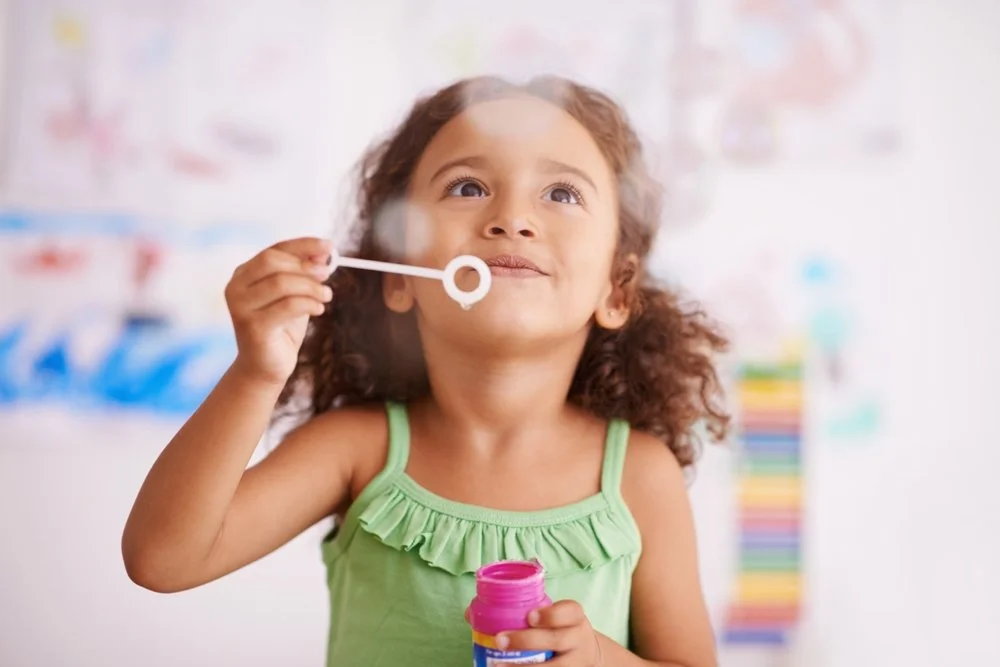
Early services can help children:
Learn new skills more easily
Manage emotions and behavior
Be better prepared for school and relationships
Support early in life can reduce the need for more intensive help later.
Connecting Families to Help Sooner

When families are connected to services early, they may have access to:
Early intervention programs for infants and toddlers
Developmental check-ups and support services
Parenting and family support programs
Starting services early – when the brain is growing fastest – can lead to better outcomes for children and families.
Frequently Asked Questions About Prenatal Substance Exposure and Early Intervention
-
Not necessarily. Every child is different. Many babies do well, especially when families receive early support and regular check-ups to monitor development.
-
A baby’s brain grows fastest during pregnancy and the first few years of life. Early support helps identify any concerns sooner and gives children the best chance to learn, grow, and thrive.
-
Providers may look at how a child:
Moves and uses their body
Communicates (sounds, words, language)
Learns and pays attention
Interacts with others and manages emotions
-
If a concern is identified, families can be connected to early intervention services. These services offer support and coaching to help children build skills during key developmental stages.
-
No. Early support is voluntary, confidential, and focused on helping families. It is not about blame or punishment – it is about care and offering the child the support needed to live a healthy life.
-
Early support can help parents:
Understand their child’s needs
Learn ways to support development at home
Feel more confident and less stressed
Strong parent-child relationships are an important part of healthy development.
-
You can talk to a provider at any time – during pregnancy, at birth, or as your child grows. It’s always okay to ask questions or share concerns. The earlier we can address concerns, the better for you and your child.
-
You don’t need to be sure. Developmental screenings are a helpful way to check how a child is growing and to decide together if support could be useful.
Find help in Sacramento County.