
Maternal Drug Overdose: Understanding the Risk and Preventing Death
The Leading Causes of Maternal Death
Maternal safety involves more than responding to complications from pregnancy or delivery. It also requires attention to the risk of drug overdose. According to a study published in 2026, unintentional drug overdose was the leading cause of maternal death, while homicide ranked second, and suicide ranked third.
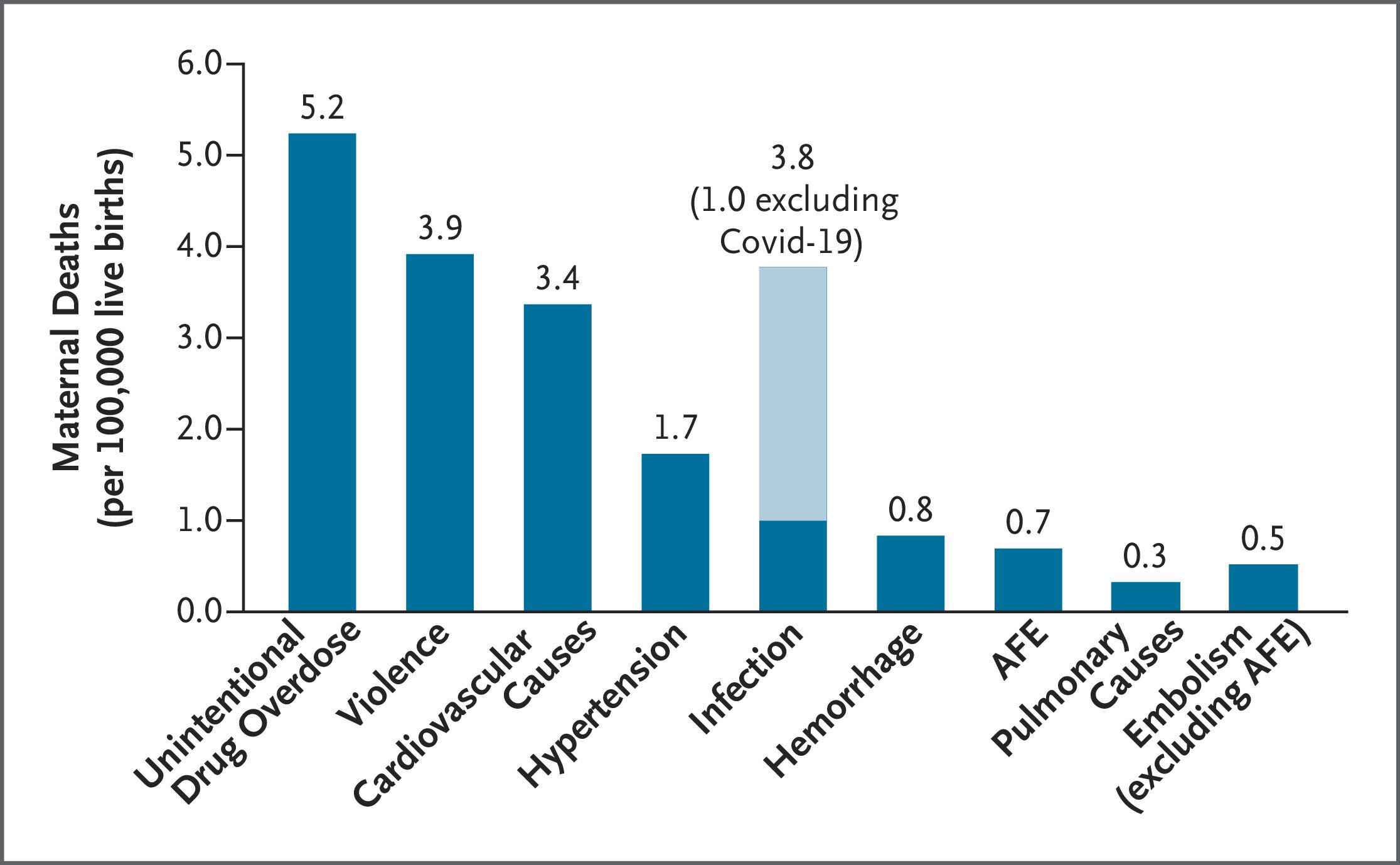
Source: The New England Journal of Medicine
These findings show that overdose prevention is an important maternal health concern that requires careful and compassionate attention. Understanding what an overdose is, why it can happen during pregnancy and after delivery, and how to respond can help people recognize the risks and take steps to protect themselves or their loved ones.
What Counts as a Maternal Overdose?
An overdose happens when the body takes in more of a drug than it can safely handle. Mixing drugs, or polysubstance use, can also cause overdose. A pregnancy-associated death is the death of a woman who is pregnant or within one year of the end of pregnancy that is not caused by pregnancy-related factors. Maternal overdose is an overdose that occurs during pregnancy or during the one-year period after delivery.
A recent study indicates that overdose caused 5.2 deaths per 100,000 live births. As of 2019, overdose was the second leading cause of pregnancy-associated death in California.
Recognizing the signs of an overdose is important. An overdose may cause a person to have slow or troubled breathing, or lose consciousness. Some overdoses may cause seizures or dangerous changes in heart rate. Not all overdoses are fatal, but even non-fatal overdoses can cause significant harm. Any suspected overdose is considered a medical emergency and requires immediate medical attention.
Why Maternal Overdose Happens
A substance use disorder, or SUD, is a physical and behavioral health condition that can make stopping or controlling drug use harder. Changes in drug use can also make overdose risk difficult to predict. A person who reduces or stops using a drug during pregnancy may lose some tolerance. If that person later returns to an amount used before pregnancy, the body may no longer be able to handle it. This makes continued SUD care important when drug use changes during pregnancy or after delivery.
Mental Health and Overdose Risk
SUDs can contribute to maternal overdose risk, but they do not explain every overdose. Physical and behavioral health concerns may also affect people during pregnancy and after delivery.
According to ACOG guidance, the postpartum transition can be a particularly difficult time for people with depression or anxiety. Care teams should create postpartum care plans before delivery and continue effective treatment after birth.
Recent research indicated that the share of mothers reporting fair or poor mental health rose from 5.5% in 2016 to 8.5% in 2023. A review in Frontiers in Psychiatry found that about one in four mothers had signs of postpartum depression during the COVID-19 pandemic. These findings show why both physical and behavioral health support remain essential parts of care during pregnancy and after delivery.
How to Prevent Maternal Overdose
Preventive measures can reduce the risk of overdose during pregnancy and after delivery. People can take steps to protect themselves by:
Staying connected to SUD treatment
Telling healthcare providers about drug use to help identify risks
Avoiding mixing drugs or taking more medication than directed
Talking with a healthcare provider about changes in drug use that could affect tolerance and increase overdose risk
Knowing the signs of an overdose and calling 911 right away if one is suspected
Getting Help
If you are pregnant or postpartum, or supporting someone who is, compassionate care is available 24/7 for mental health and substance use struggles. In Sacramento, you can self-refer to the Maternal Support Line (916-681-2907), contact the BHS SAC (Behavioral Health Services, Screening and Coordination) at 916-875-1055, or visit our website. Free or low-cost group and virtual supports are available throughout Sacramento County, including bilingual and culturally relevant options.
If you suspect an overdose, call 911 immediately. Together, we can work to empower families and children to thrive physically, socially, and emotionally, free from the effects of substance use and misuse in pregnancy.